Dr. Abdelaty Elmannaee Presents an Integrated Vision for Advancing the Sector in Morocco “Elmannaee” Places Health Tourism on the Path of Economy and Development
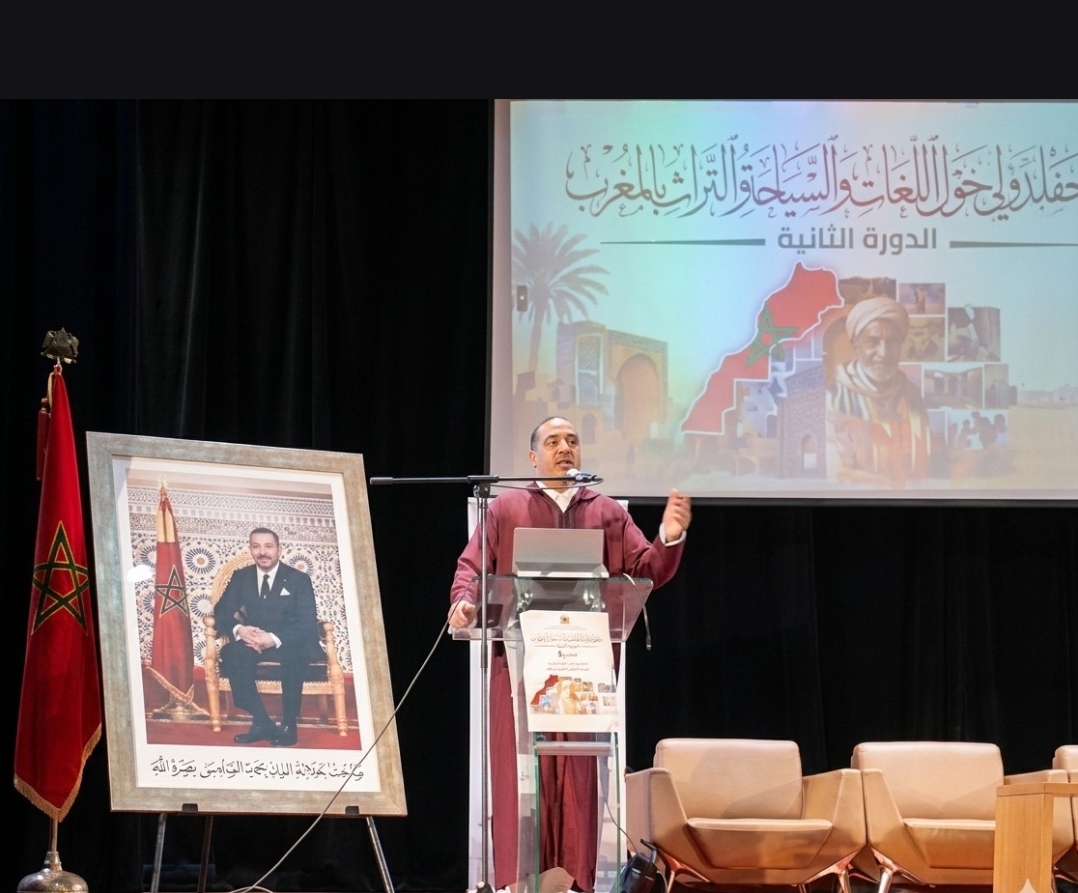


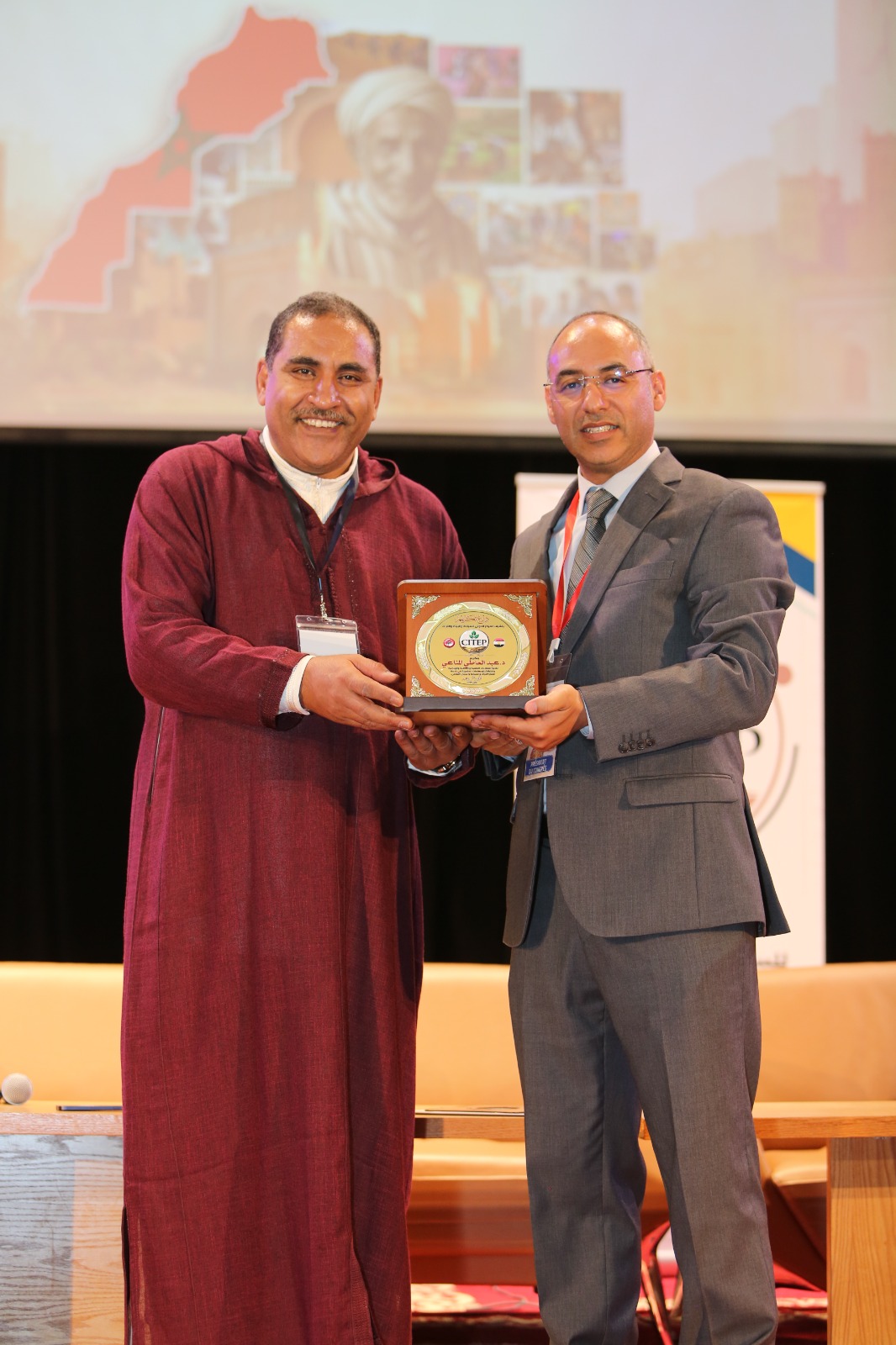
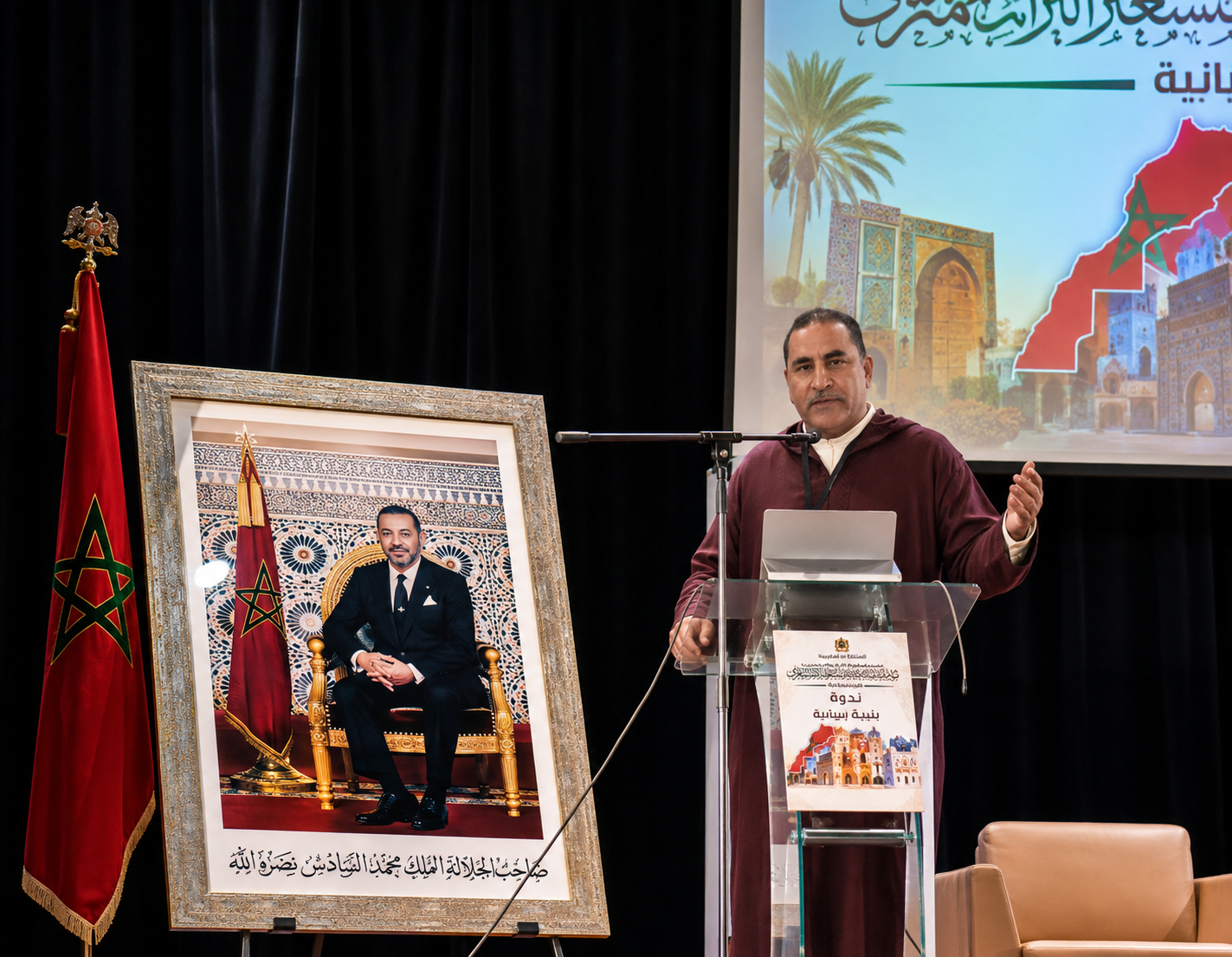
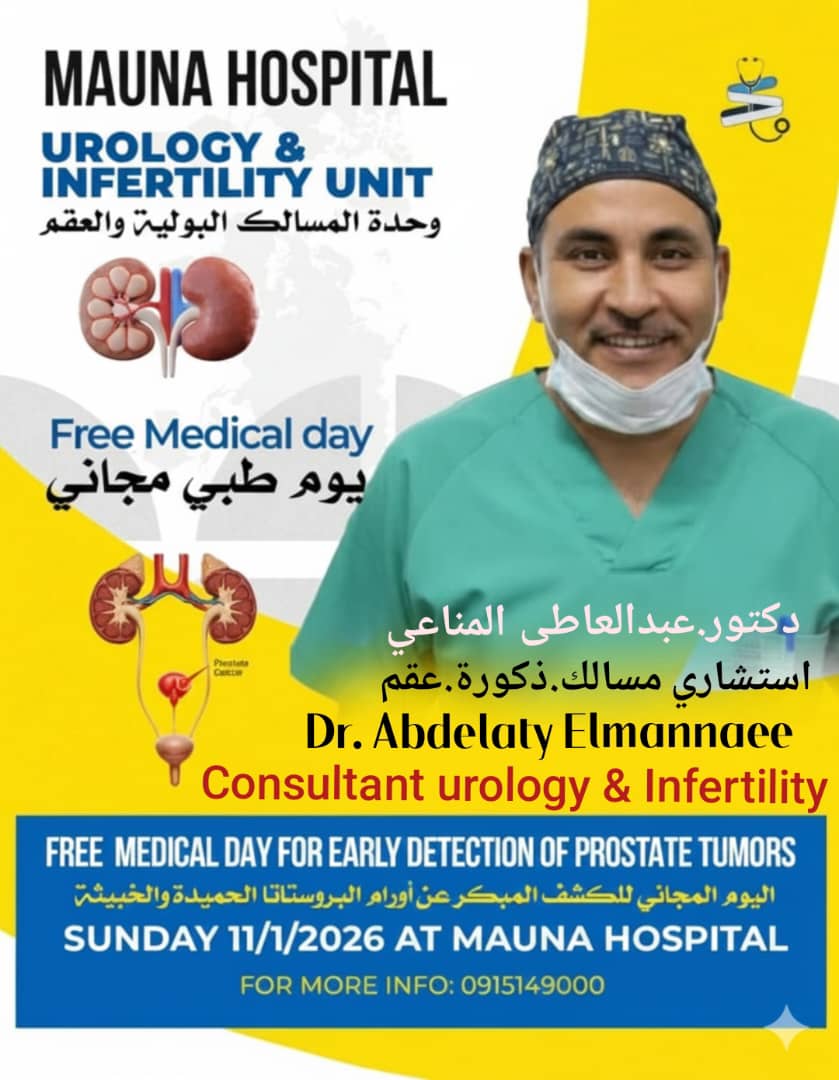
Dr. Abdelaty Elmannaee, Consultant of Urology and Andrology Surgeries, Founder of the College of Health Tourism, and an internationally recognized expert in health tourism, delivered a scientific lecture entitled: “Health Tourism and the Economy: Potentials and Challenges of the Kingdom of Morocco” during the activities of the Language, Tourism, and Heritage Conference held in the city of Errachidia, Kingdom of Morocco, which concluded today after running from May 14 to 16, 2026.
The lecture was presented within the framework of the program organized by the Faculty of Multidisciplinary Studies in Errachidia, affiliated with Moulay Ismail University, aiming to strengthen the connection between culture, language, and tourism as essential pillars of local development. The conference witnessed broad academic and research participation from experts and specialists interested in heritage, tourism, and economic development.
During his lecture, Dr. Elmannaee highlighted the major natural, cultural, and economic assets possessed by the Kingdom of Morocco, which qualify it to become one of the leading regional destinations in the field of health tourism. He emphasized the importance of thermal resorts, mineral water therapies, and Environmental Tourism in the southern regions and mountainous areas of Morocco, in addition to the sector’s role in supporting the national economy and creating new employment opportunities.
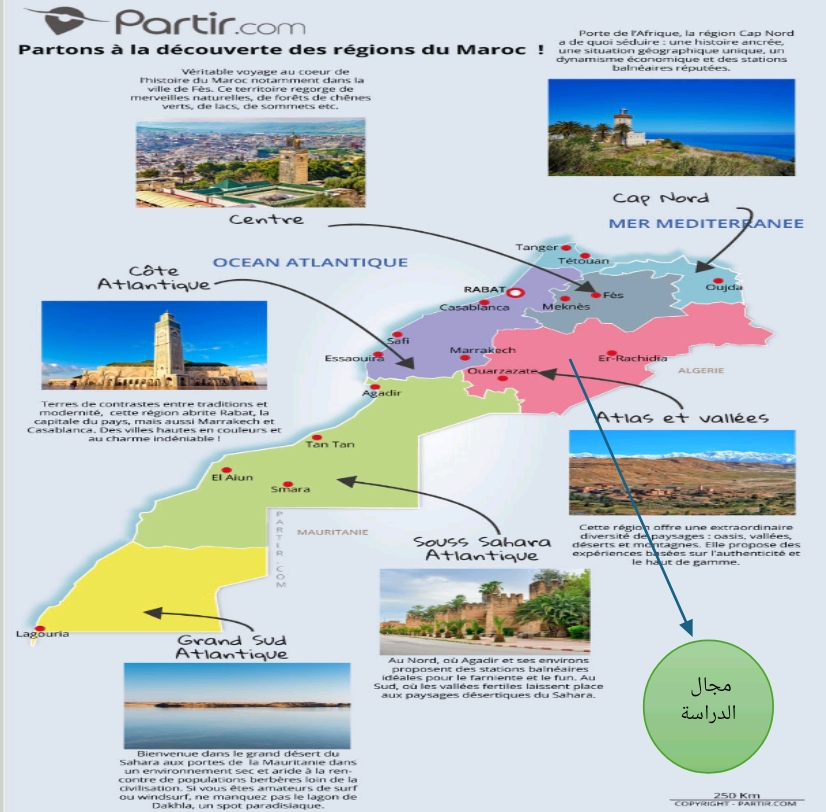
The lecture also shed light on the promising opportunities for integrating traditional tourism with health tourism through the development of comprehensive packages combining medical treatment, recovery, wellness, and recreation, while benefiting from the Moroccan Environmental Tourism Maps prepared by Dr. Elmannaee. Furthermore, he presented successful Arab and international models and experiences in this field.
Dr. Elmannaee discussed the expected economic impact of expanding the health tourism sector through increasing its contribution to the national GDP, reducing the medical import bill, and enhancing Morocco’s ability to attract foreign patients and visitors, thereby stimulating local economic activity.
Regarding the challenges, the lecture addressed several important issues, including the need to establish unified quality standards, develop healthcare and tourism infrastructure, qualify specialized human resources, and strengthen partnerships between the public and private sectors to ensure the sustainability and proper organization of the sector.
Dr. Elmannaee also proposed a number of practical recommendations, including the establishment of a National Moroccan Health Tourism Authority, drawing on the Egyptian experience, which he had previously advocated until it became a reality. He additionally called for the establishment of specialized training centers, the development of targeted economic promotional programs, and the integration of health tourism into local development policies.
The lecture received wide interaction from university professors, researchers, and those interested in tourism, heritage, and economics. The session witnessed extensive discussions on the prospects of employing health tourism to serve local development and linking it to issues of language, culture, and economic identity.
The Language, Tourism, and Heritage Conference is considered one of the leading academic events seeking to consolidate the concept of integrated health tourism within Moroccan universities and local communities, particularly in light of Dr. Abdelaty Elmannaee’s contribution to teaching Health Tourism courses to master’s degree students at the Faculty of Multidisciplinary Studies affiliated with Moulay Ismail University.