
Elmannaee from Morocco: A Supreme Health Tourism Authority Is Essential to Protect and Develop Quality and Build International Trust
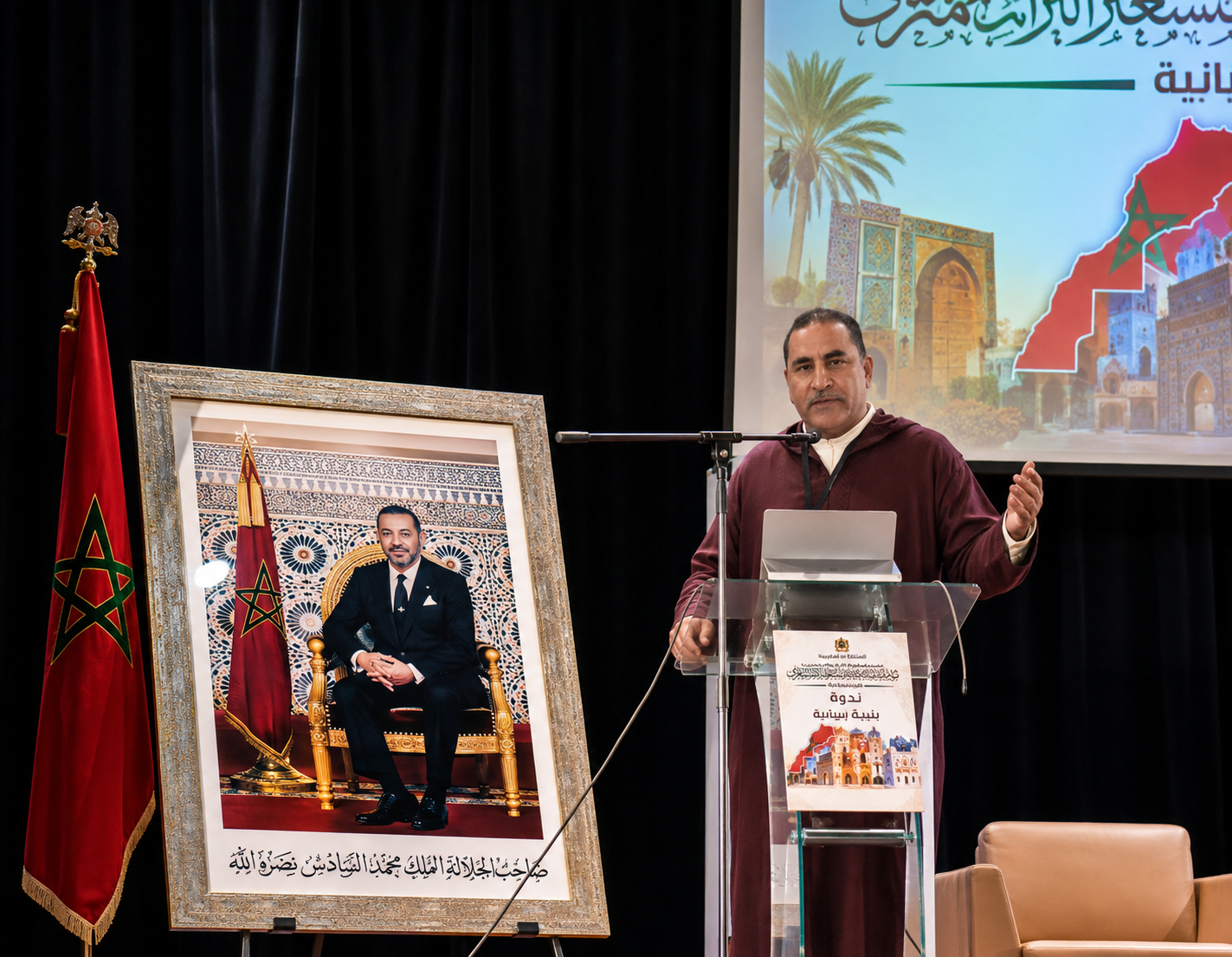


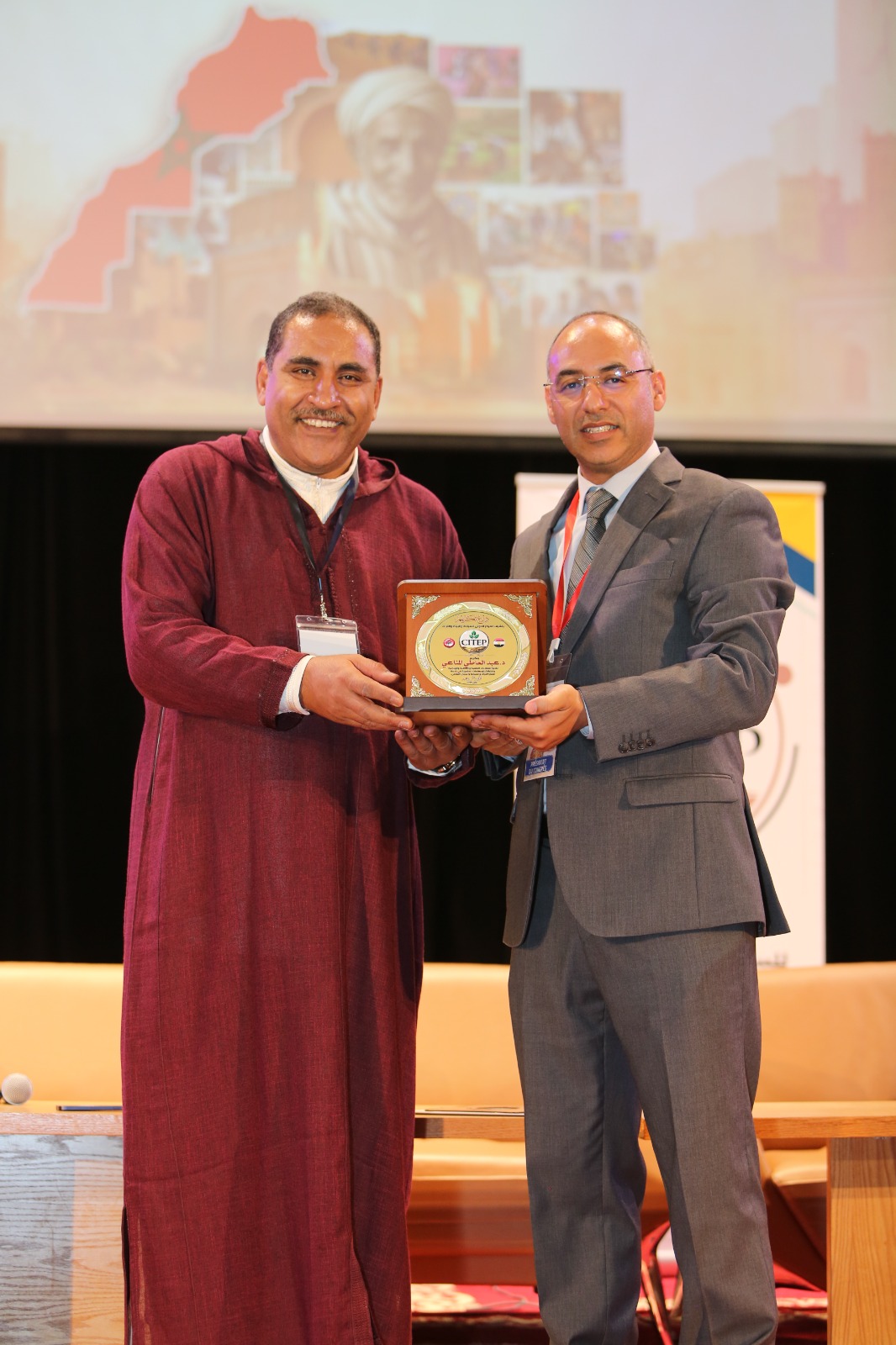
In one of the most prominent sessions of the second edition of the International Conference on Languages, Tourism, and Heritage in the Kingdom of Morocco, held under the theme: “Dynamics of Human Capital Valorization and Integrated Development,” Dr. Abdelaty Elmannaee presented an advanced strategic vision on the current reality and future of health tourism in Morocco in its three sectors: medical tourism, environmental tourism, and accessible health tourism. He highlighted both the enormous potential the Kingdom possesses and the regulatory and legislative challenges facing this promising sector.
During his specialized scientific lecture on health tourism, Dr. Elmannaee emphasized that Morocco possesses exceptional qualifications that position it to become one of the world’s leading destinations in medical tourism, environmental tourism, and accessible health tourism. He noted that this potential is supported by the country’s strategic geographic location, environmental diversity, healthcare and tourism infrastructure, and its growing medical expertise.
In a proposal that attracted significant attention from academics and participating experts, Dr. Elmannaee recommended the establishment of the Supreme Moroccan Authority for Health Tourism to serve as a national regulatory and supervisory umbrella responsible for overseeing providers of medical tourism and environmental tourism services, while setting professional standards and legal regulations for the sector. He stressed that such an authority would ensure service quality, protect patients, and strengthen international confidence in Morocco as a global destination for health, medical, and environmental tourism.
He explained that the absence of a specialized regulatory body could lead to inconsistent service quality and fragmented references and standards, which may negatively affect Morocco’s competitiveness in a global market worth hundreds of billions of dollars annually. He affirmed that institutional regulation represents the cornerstone of any genuine advancement in the health tourism industry.
Dr. Elmannaee also stressed that investment in health tourism is no longer merely an economic luxury, but rather a strategic pathway toward sustainable development, job creation, attracting foreign investment, and integrating the healthcare sector with the economy, tourism, education, and technology within a comprehensive and sustainable development system.
The session witnessed remarkable engagement from participants, who considered the proposals presented to be a practical and implementable vision capable of positioning Morocco as a deserved leader on the global health tourism map in the coming years.