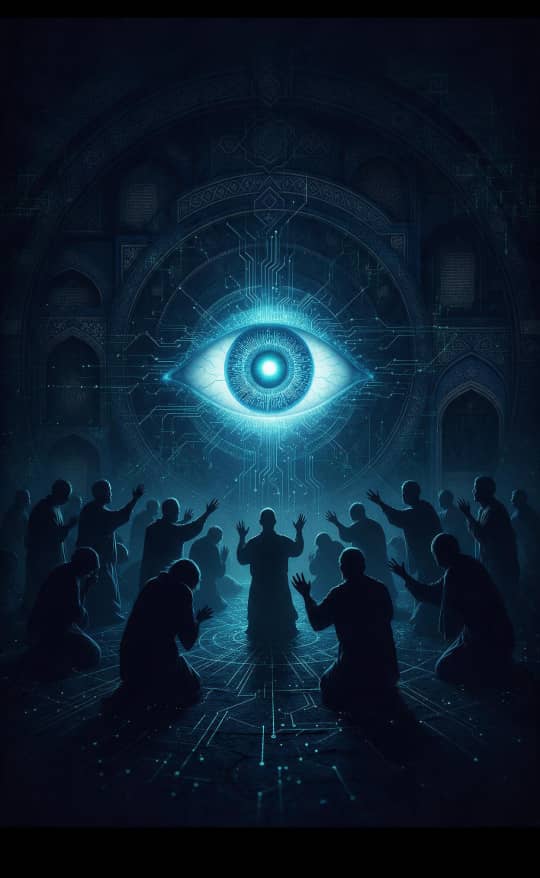

When a person becomes a stranger to their own life.



Many of us have experienced alienation in one form or another. Yet the most difficult kind of alienation is not being far from one’s homeland or traveling to a city whose streets are unfamiliar. It is waking up one day and realizing that you have become a stranger to your own life
You continue your usual routines, go to work, meet people, smile when you are expected to smile, and answer when someone asks, “How are you?” But deep inside, you cannot understand when you drifted so far away from yourself—so far that you now feel like a stranger even to who you are
This happens gradually, which is why we often fail to notice it. It begins with a small compromise on a dream, then the postponement of a desire, followed by accepting a day that does not resemble us. Then the days repeat themselves until what was meant to be temporary becomes a way of life
We wake up according to schedules set by others. We run after what society defines as success, and we spend years proving things without ever asking ourselves whether they are truly worth proving
Modern people have become so busy that they can barely feel life anymore. Their phones never stop ringing, their work follows them home, the news enters their rooms, and images of other people invade their minds every moment
They know where someone has traveled, what someone else has bought, who has succeeded, who has married, and who has become famous. Yet they may not know what they themselves truly want. It is as though we have become experts at following everyone else’s lives, while remaining ignorant of the details of our own
Strangely, a person may possess many things and still feel an intensely disturbing emptiness. They may reach a position they once dreamed of, accumulate wealth, or achieve fame, only to discover that success has not given them the feeling they expected or fulfilled the dreams they once had
The reason is simple: not every dream is truly ours. Some goals are planted in us by others until we mistake them for our own desires
To be a stranger to your own life means looking into the mirror and asking not, “Who is this?” but rather, “When did I become this person?” When did I stop doing the things I love? When did I lose my sense of wonder? When did my days become so similar that I can no longer remember anything distinct about them?
The real danger is not being lost, but becoming accustomed to being lost. Human beings can adapt even to what harms them. A person may grow used to a draining relationship, a job that extinguishes their spirit, a place that does not value them, or a life that does not resemble who they are—and then defend that life simply because they are afraid of change
Sometimes the restraints around us are not external; they exist within us. We create them out of fear, out of concern about what people will say, and out of that harsh question: “What will others think?”
In truth, returning to oneself does not always require dramatic decisions. It may begin with an hour of quiet away from the phone, a book we love, a call to someone we miss, saying “no” to what drains us, or saying “yes” to what restores our sense of being alive
It may begin with one simple and honest question:
If I were not afraid of anyone, how would I live?
We do not have two lifetimes—one for experimentation and another for real living. We have only one life, and one lifetime. We either truly live it, or we do not.
This is life, with its passing days and diminishing hours, its limited opportunities, and its ever-changing faces. Every day we live away from ourselves is another step separating us from the person we could have become
This does not mean that we should run away from our responsibilities or pursue pleasure alone. Rather, it means finding meaning within responsibility, purpose within work, honesty within relationships, and a space for ourselves within our limited time—a space that fulfills our genuine needs
Life is not measured by how much we do, but by how much of ourselves we can feel in what we do
Sometimes we need a different kind of courage—not the courage to confront others, but the courage to confront ourselves with the truth
We must acknowledge that some paths no longer suit us, that some successes have not made us happy, that some relationships have lost their meaning, and that remaining in them is not loyalty but fear
Maturity does not mean continuing forever. It means knowing when to change direction and when to save what remains of our lives from a life we have grown accustomed to but no longer love.
Honesty, self-expression, and reconciliation with oneself are the beginning of every genuine return
Perhaps, from time to time, we need to stop and ask ourselves:
Is this truly my life, or is it a life designed by other people’s expectations?
Am I walking along the path I chose, or the path others pushed me toward?
A person may endure the alienation of a place, but should never accept the alienation of the soul—for it is unbearably difficult
The most beautiful return in life is not a return to an old home or a distant city. It is the return of a person to themselves: to rediscover who they are, to reach out and reconcile with the self they had abandoned, and then to decide to live whatever remains of their life fully present in it—not merely watching it from the sidelines